

In recent years, the traditional office landscape has undergone a transformation to cater to evolving work cultures, employee preferences, and the advent of hybrid or remote working models. As we navigate through 2023, trends continue to favor flexible, open, and collaborative workspaces while also recognizing the need for private, focused work areas. Here are a few office seating arrangements and ideas that reflect the current trends:
Open Spaces and Collaborative Layouts:
1. The Newsroom Layout
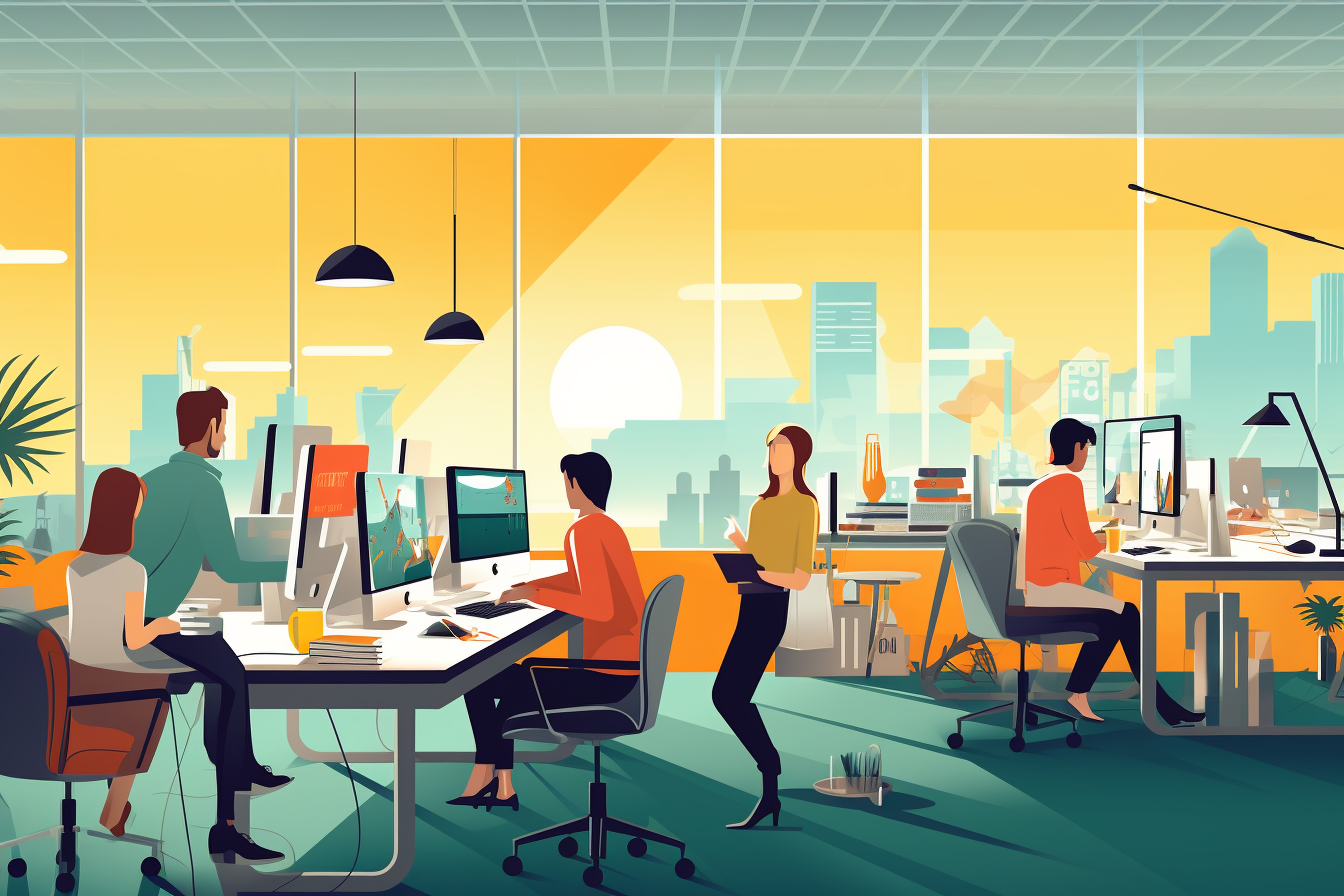
Characterized by desk clusters and open spaces, the Newsroom Layout is ideal for fast-paced work requiring impromptu meetings and constant communication. The open design encourages spontaneous discussions and teamwork, making it a perfect fit for environments where quick decision-making and collaboration are crucial. By pushing together individual desks to form clusters, it creates a sense of community among team members while also promoting a dynamic workflow.🔗
2. Activity-Based Workstations
Moving away from the traditional assigned seating, Activity-Based Workstations allow employees to choose where to work based on the task at hand. This flexible arrangement fosters a more dynamic and interactive work environment, encouraging employees to move around and utilize different spaces for different activities. The design embraces the notion that various tasks require varying levels of collaboration, concentration, and resources.🔗
3. Flexible Seating Arrangements
Adopting a mix of hot-desking, hoteling, and designated neighborhoods for different work moods, Flexible Seating Arrangements aim to optimize space usage and promote collaboration. These arrangements cater to the modern-day workforce's desires for flexibility and the freedom to choose where and how they work. It also accommodates the ebb and flow of in-office attendance, especially in a hybrid working model, making efficient use of the available space.🔗
Private and Focused Work Areas:
4. The Library Layout
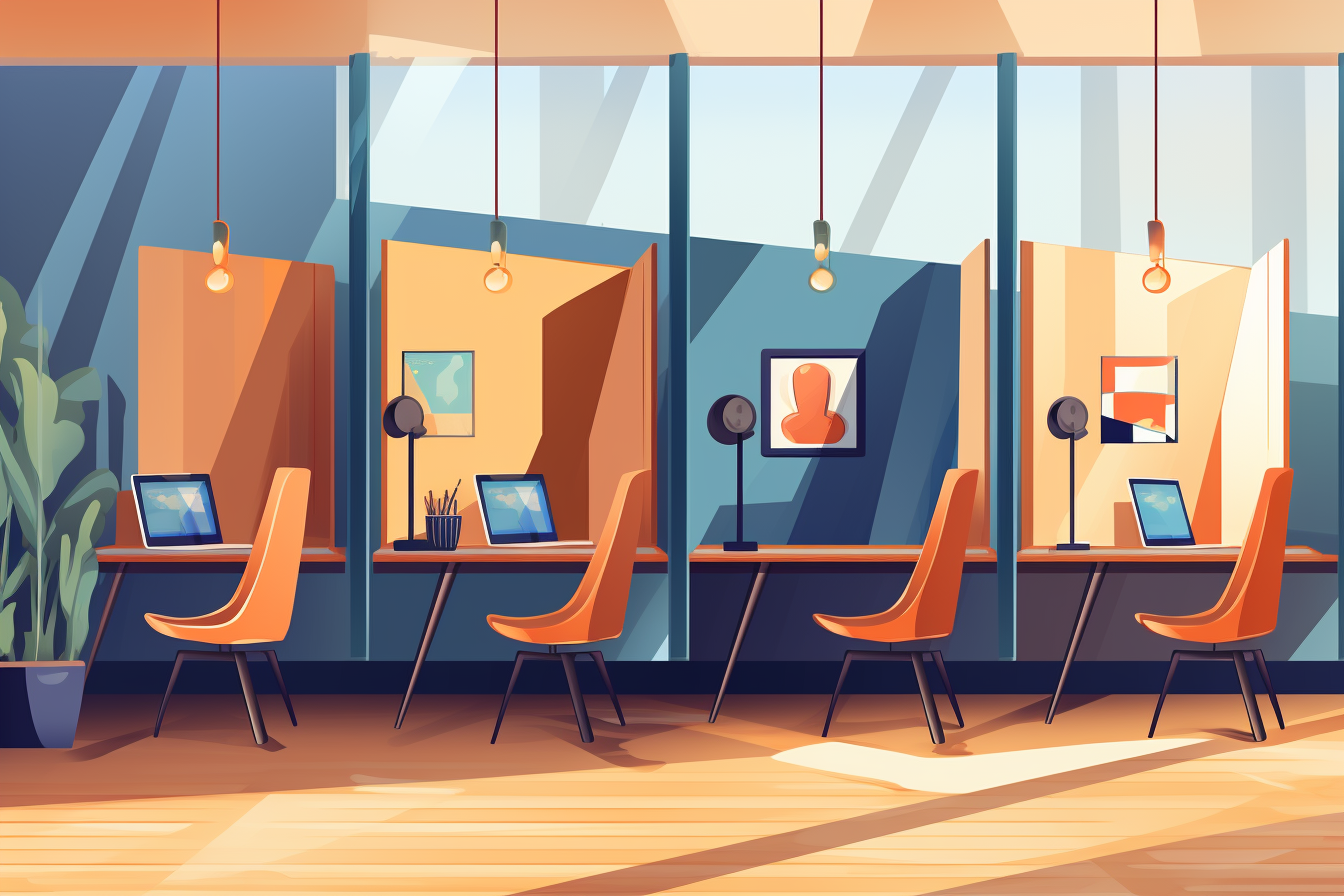
With sheltered cubes, privacy screens, and designated quiet zones, the Library Layout is a sanctuary for tasks requiring deep concentration. Unlike open layouts, this arrangement provides individuals with the peace and quiet needed for focused work. By having rolling whiteboards and special "quiet hours" in certain areas, it allows for a balance between collaboration and individual work while minimizing distractions.🔗
5. Private Booths and Partitions
Incorporating private booths or using partitions to create separation between workstations helps in providing privacy within an open office layout. These elements offer a sense of personal space, reducing noise and visual distractions. Providing noise-canceling headphones or creating designated quiet zones are additional steps to ensure that employees can find the solitude they need for focused tasks amidst a bustling office environment.🔗
Innovative and Wellness-Centric Spaces:
6. Playground-Style Spaces
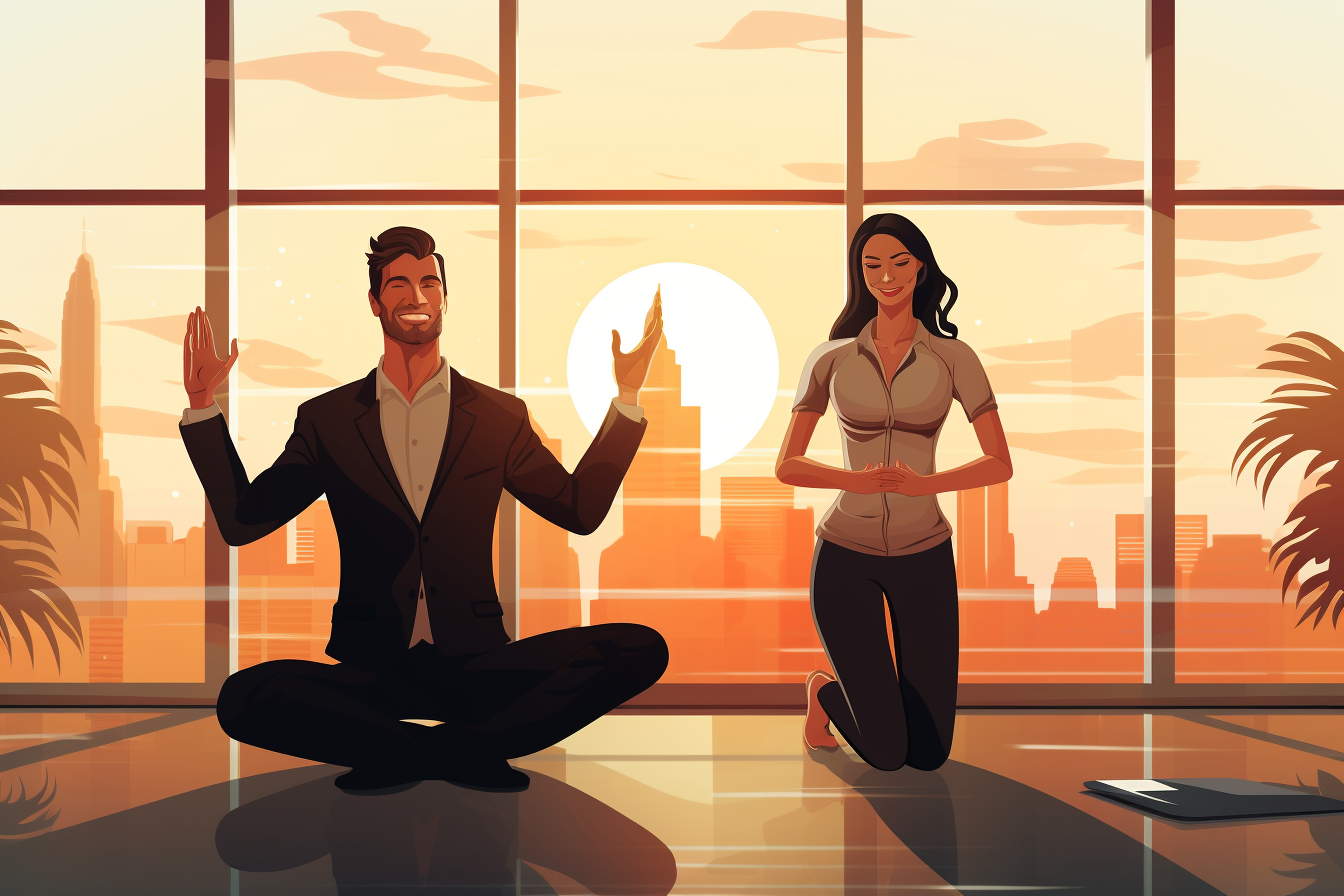
Incorporating elements of play, relaxation zones, and wellness-centric spaces like yoga rooms or courtyard workspaces promote physical and mental well-being. The relaxed and inviting ambiance of playground-style spaces can help alleviate stress, boost creativity, and enhance overall job satisfaction. Companies like Google have pioneered this approach, offering a variety of recreational and wellness facilities to keep employees engaged and healthy.🔗
7. The Artist Loft and Innovation Lab Layouts
These creative spaces foster a conducive environment for brainstorming and innovation. The Artist Loft, with its long galley desks and white boards, encourages a free flow of ideas among visually-driven individuals. On the other hand, the Innovation Lab with its inspiration boards and casual meeting spots, cultivates a culture of continuous improvement and ideation. Both layouts create an atmosphere where colleagues can inspire each other and collaborate on groundbreaking projects.🔗
Hybrid and Remote Work Adaptations:
8. Hybrid Office Models
Companies are downsizing their office spaces or adopting flexible seating arrangements to accommodate hybrid work schedules, thus allowing for a mix of in-office and remote working. The hybrid model recognizes the value of in-person interactions while also embracing the flexibility that remote work offers. By having a variety of seating arrangements, it ensures that the office space remains vibrant and utilized efficiently throughout the week.🔗
9. Remote Work Stations
Creating dedicated workstations for remote employees visiting the office ensures they have a comfortable workspace when needed. These stations provide the necessary infrastructure, like monitors, chairs, and connectivity, to seamlessly integrate remote employees into the office environment during their visits. It's a thoughtful gesture that appreciates the hybrid workforce and ensures inclusivity.🔗
Technology-Integrated Spaces:
10. Video-Conferencing Friendly Layouts
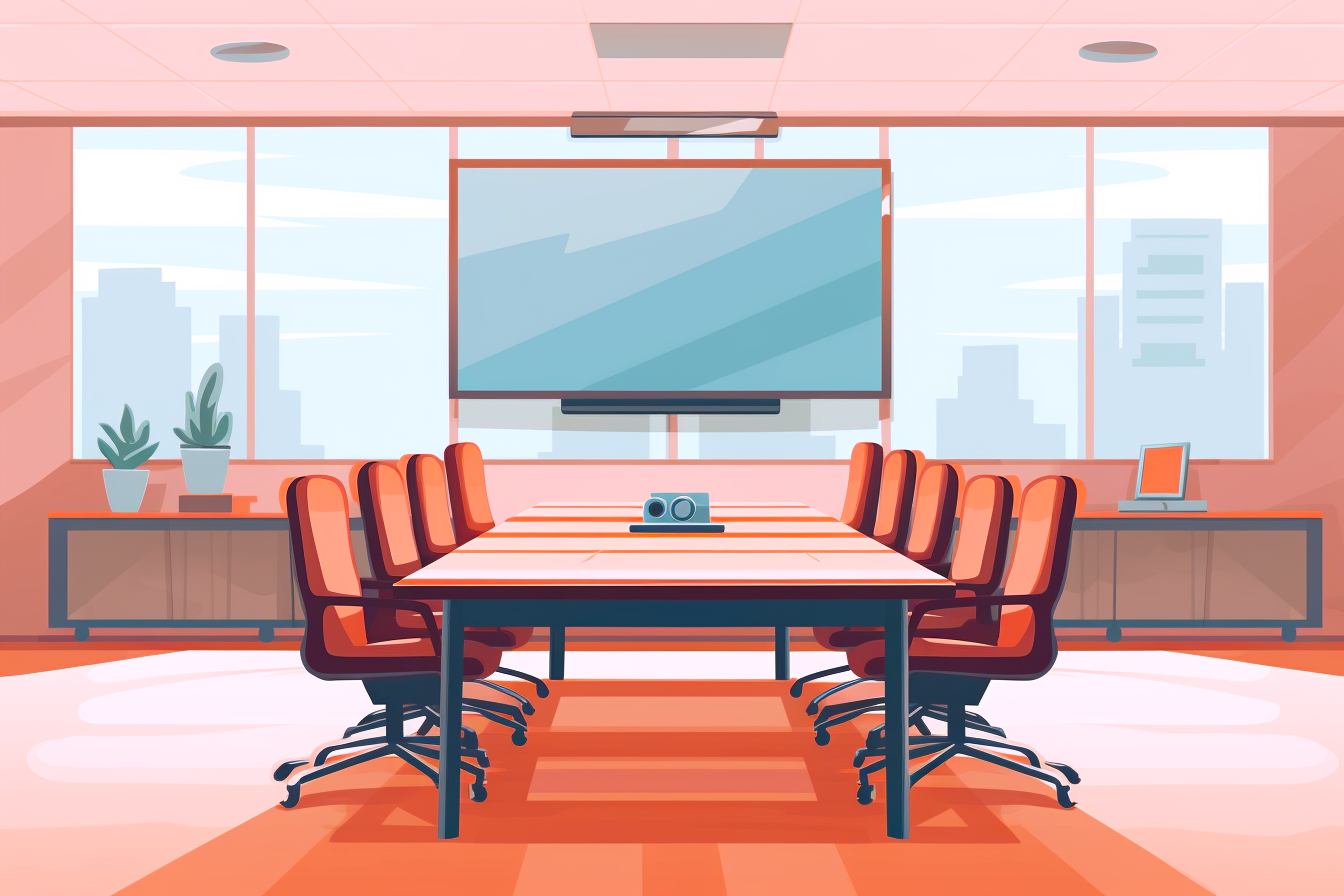
With the prevalence of hybrid work, integrating technology like screens, cameras, and microphones in meeting rooms or individual workstations is crucial for seamless communication. Creating spaces that are well-equipped for video conferencing not only facilitates remote collaboration but also demonstrates a company's commitment to staying connected in a hybrid work landscape.🔗
As businesses continue to adapt to the changing work environment, creating a well-thought-out office seating arrangement is imperative to foster productivity, collaboration, and employee satisfaction. To aid in this endeavor, we introduce OfficePlan, a tool designed to generate office seating arrangement diagrams. OfficePlan provides a visual representation of various seating arrangements, helping you envision and create a workspace that aligns with your organizational culture and the evolving trends in office management. Whether you're leaning towards an open, collaborative space, or a more segmented, private area, OfficePlan will be your go-to companion in bringing your ideal office layout to life.